
Your Recall List Is Full of Revenue You Haven’t Recovered Yet
Most service businesses already have the customers they are trying so hard to find. They are sitting inside the booking system, old spreadsheets, CRM tools, and recall lists.
These are people who visited once, maybe twice, or maybe even for years. They trusted your business enough to book an appointment, show up, sit in the chair, pay for the service, and leave with some level of relationship already built.
Then, somewhere along the way, they went quiet.
Not always because they were unhappy. Not always because they found someone better. A lot of the time, life simply got busy. They meant to book again, delayed it, forgot about it, or chose the place that reminded them first when the need came back.
That is the quiet problem with recall lists. They do not look urgent. Nobody is standing at the front desk asking for help. No phone is ringing. No customer is complaining. But every name on that list could be a booking that never happened.
A Recall List Is Not Just Admin Work
Many businesses treat recall like a back-office task. Pull the list, call a few people, send a reminder, and maybe follow up later if there is time.
But recall is not just admin work. It is one of the most valuable parts of a service business because it deals with people who already know you.
A new customer still needs to discover you, trust you, compare you, and decide whether to book. A past customer has already done most of that work. They know your location, your staff, your service, and what it feels like to be your customer.
That makes them warmer than almost any lead you could pay for. The problem is that most recall lists are passive. They hold information, but they do not create action. They tell you who has not come back, but they do not always help you bring them back.
The Real Issue Is Usually Capacity
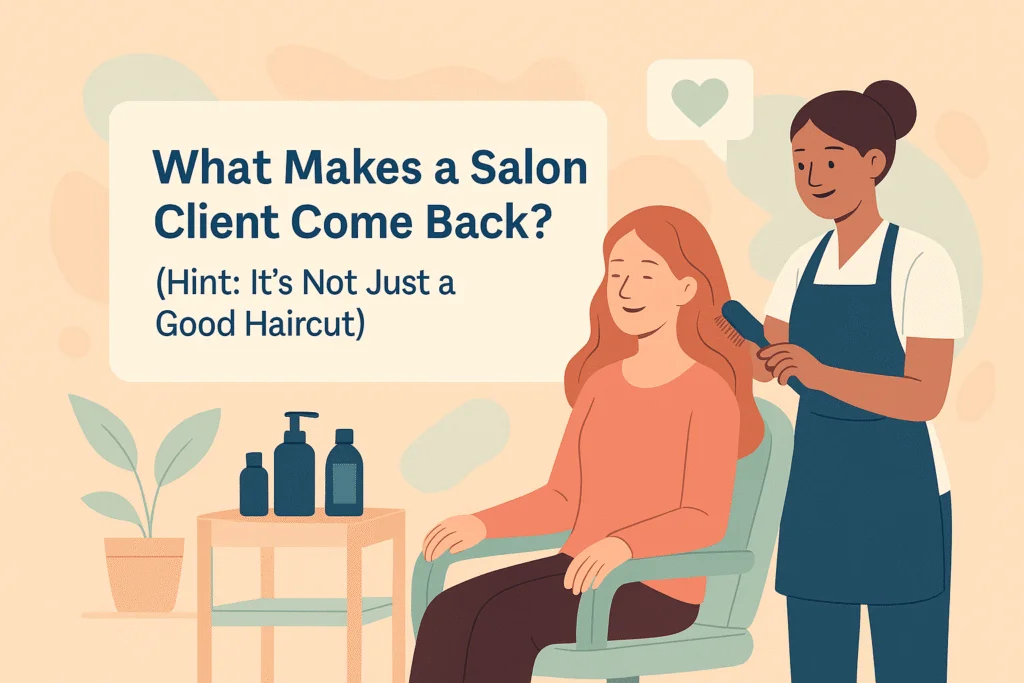
Most owners already know follow-up matters. Dental clinics know patients need regular hygiene visits. Salons know clients come back on a cycle. Spas know treatments often work better when clients return consistently. Beauty studios know maintenance appointments are part of the business.
The issue is not awareness. The issue is time.
The front desk is already busy answering calls, checking people in, replying to messages, handling cancellations, moving appointments, taking payments, and solving all the small problems that show up during the day. Recall is important, but it rarely feels urgent in the moment.
So it gets pushed. Someone says they will call tomorrow. Someone else says they will message the list next week. Then next week becomes next month.
By the time someone finally looks at the list, many of those customers have already drifted away.
Past Customers Do Not Always Need Selling
This is the part many businesses forget. A recall message does not need to feel like a hard sell.
A patient who is overdue for a cleaning does not need a dramatic promotion. A salon client who has not had a haircut in eight weeks does not need a long marketing email. A spa client who enjoyed a facial last month may not need a discount at all.
Sometimes they just need a simple, well-timed message.
For example, a message like, “Hi Sarah, we noticed it has been a little while since your last visit. Would you like us to help you find a time this week or next?” does not feel pushy. It feels useful.
It tells the customer that your business remembers them. It gives them an easy next step. And in many cases, that is enough to restart the conversation.
The Follow-Up Has to Match the Service
Not every customer should be contacted the same way. That is where many recall campaigns fall flat.
A dental patient due for a six-month cleaning is different from a patient on a three-month maintenance schedule. A haircut client is different from a bridal makeup client. A massage client is different from someone who booked a one-time spa package.
Good recall is not about blasting the same message to everyone. It is about understanding why the customer visited, when they are likely to need you again, and what message would actually make sense.
That is the difference between spam and service.
Spam says, “We need bookings.” Service says, “You may be due. Would you like help booking?” The customer can feel the difference.
The Biggest Leak Happens After the First Reply
Getting a customer to respond is only half the job. This is where a lot of businesses lose the booking.
A customer replies, “Yes, what times do you have?” Then the front desk gets busy. The reply sits there for a few hours. Someone answers later, but by then the customer has moved on, forgotten, or lost interest.
Sometimes the conversation turns into three days of back-and-forth. What time works? Do you have Friday? Morning or afternoon? Can you do 2? No, only 4. Okay, let me check.
By the time the booking is ready to happen, the energy is gone.
A recall system only works if it can move from message to appointment smoothly. The easier it is for the customer to book, the more likely they are to do it.
Calling Once Is Not a Recall Strategy
Many businesses technically “do recall,” but when you look closer, it often means one call, one voicemail, one text, or one email.
That is not really a system. That is a single attempt.
People miss messages all the time. They are working, driving, busy with family, in another appointment, or simply not ready to book at that exact moment. That does not mean they are not interested. It just means the timing was not right.
A stronger recall process has a gentle rhythm. It may include a first message, a follow-up, a later check-in, and a way to stop if the customer is not interested.
The goal is not to annoy people. The goal is to avoid letting good customers disappear just because one message was missed.
Your Recall List Should Be Working Every Week
The best time to work your recall list is not once a quarter when business feels slow. It should be part of the weekly rhythm of the business.
Every week, a service business should be able to see who is due soon, who is overdue, who has not visited in months, who replied but did not book, who asked a question, and who may be a good fit for an opening this week.
When recall becomes a weekly habit, it stops feeling like a cleanup project. It becomes part of how the business grows.
Not by shouting louder online. Not by constantly paying for new leads. But by staying connected with the people who already chose you once.
This Is Where AI Can Actually Help
AI should not make a service business feel robotic. That is the wrong use of it.
The real value is in helping the business remember, respond, and follow up consistently. A useful customer retention automation system can help identify customers who may be due to come back, send friendly follow-up messages, answer common questions, track replies, and bring the team in when human attention is needed.
That does not replace the front desk. It gives the front desk backup.
Most teams are not failing because they do not care. They are failing because they are expected to remember too much, respond too fast, and follow up with too many people at once.
No good system should depend on one busy person remembering everything.
The Human Touch Still Matters
There will always be conversations that need a real person.
A nervous dental patient may need reassurance. A spa client may have a personal concern. A salon client may want advice before booking a color service. A customer may ask for an exception, a discount, or a change that requires judgment.
That is why the best recall system is not fully hands-off. It is supervised.
Routine messages can be handled automatically. Simple questions can be answered quickly. Booking interest can be captured right away. And when the conversation needs a human, the team is brought in.
That is the balance service businesses need: automation for consistency, humans for care.
The Money Is Already Closer Than You Think
It is easy to think growth means finding more strangers. More ads, more posts, more promotions, more campaigns, and more attention.
Sometimes that is true. But many service businesses have revenue sitting much closer than that.
It is in the customer who came once and never rebooked. The patient who is overdue. The client who loved the service but forgot to return. The person who would say yes if someone simply reached out at the right time.
That is what makes recall so powerful. You are not starting from zero. You are restarting a relationship that already exists.
A Better Recall Flow Can Be Simple
Imagine a customer visits your business. After the appointment, they receive a warm thank-you message. Their service, preferences, and last visit are remembered.
When the right amount of time has passed, they receive a simple check-in. If they are ready to book, the process is easy. If they ask a question, they get a quick answer. If the question needs a person, the team is notified.
If they do not respond, they can be followed up with later in a respectful way.
No messy spreadsheet. No sticky notes. No “I thought someone else called them.” No lost replies.
Just a clean system that keeps the relationship alive.
Final Thought
Your recall list is not dead data. It is not just a report or a list of old names. It is a collection of people who already gave your business a chance.
Some of them are ready to come back. Some need a reminder. Some need help booking. Some need the right message at the right time.
The value is already there. The real question is whether your business has a system to recover it.