How to Bring Back Your Spa Clients Without Chasing Them
Most spas do not lose clients because the service was bad.
A client comes in, enjoys the treatment, thanks the staff, maybe even says they will come back soon.
Then life gets busy.
They forget to book again. They try another place because it was convenient. They wait too long between appointments. And slowly, a happy client becomes a lost client.
For spa owners, this is one of the biggest hidden leaks in the business.
You work hard to bring people through the door. You spend money on ads, social media, referrals, discounts, and first-time offers. But once the client leaves, the relationship often depends on memory, manual follow-up, or hope.
That is where many spas lose repeat revenue.
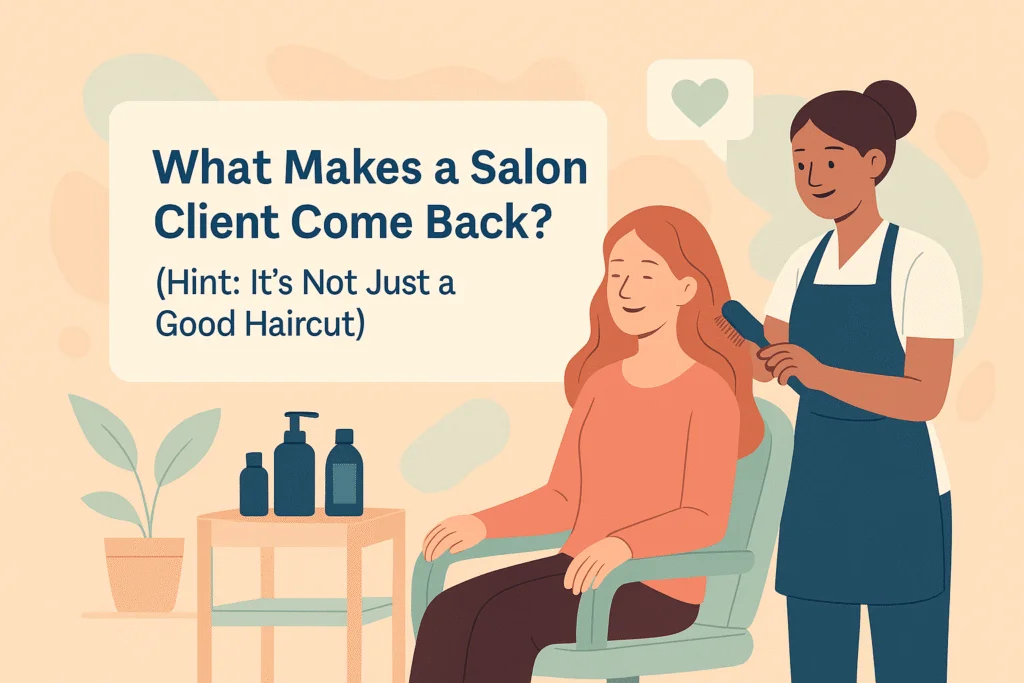
The Real Problem Is Not Getting Clients. It Is Staying Connected.
A good spa experience should not end when the client walks out.
After a massage, facial, body treatment, or wellness service, there is usually a natural time when that client should come back. But most spas do not have a consistent system to remind them.
Some clients need a follow-up in two weeks. Some should be rebooked every month. Some may need product recommendations. Some may have asked a question that was never followed up on. Some simply need a friendly message at the right time.
The challenge is that spa teams are busy.
The front desk is answering calls, managing bookings, handling walk-ins, replying to messages, checking schedules, taking payments, and solving daily issues.
Following up with every past client properly becomes almost impossible.
Not because the spa does not care.
Because there is too much happening.
A Client Who Already Visited Is Your Warmest Opportunity
Many businesses focus heavily on finding new clients.
That matters, of course.
But the people who already visited your spa are often the easiest people to bring back. They already know your location, your service, your staff, and your experience.
If they had a good visit, they do not need to be convinced from zero.
They just need the right reminder, the right offer, or the right reason to return.
For example:
A client who booked a facial may be ready for another session in four to six weeks.
A massage client may need a monthly wellness plan.
A bridal client may need a package before an upcoming event.
A client who has not visited in three months may respond well to a simple “we missed you” message.
A high-value client may appreciate a personal check-in instead of a generic promotion.
The key is not to spam everyone with the same message.
The key is to understand who the client is, what they came for, and when it makes sense to reach out again.
Follow-Up Should Feel Helpful, Not Pushy
This is where many spas get nervous.
Nobody wants to sound desperate. Nobody wants to bother clients. Nobody wants to send messages that feel robotic or salesy.
But good follow-up does not feel like selling.
It feels like care.
There is a big difference between:
“Book now. 20% off today only.”
And:
“Hi Sarah, we hope you enjoyed your facial last month. Around this time, many clients like to come in for a refresh to keep their skin feeling balanced. Would you like us to help you find a time this week?”
The second message feels personal. It connects to the client’s last visit. It gives a reason. It makes the next step easy.
That is what modern client retention should look like.
The Best Spa Follow-Up Is Based on Timing
Timing matters more than most people think.
A message sent too early feels random.
A message sent too late may miss the moment.
A massage client may be thinking about booking again after a stressful few weeks. A facial client may need another appointment before their skin concern returns. A waxing client may already be on a natural repeat cycle. A wellness client may need consistency to see results.
When your follow-up is timed around the service, the client’s history, and their likely need, it becomes much more effective.
This is where automation can help.
Not cold automation.
Smart automation.
The kind that helps a spa remember every client, every service, every possible rebooking opportunity, and every unanswered question.
Why Manual Follow-Up Breaks Down
At first, manual follow-up sounds simple.
You can keep a spreadsheet. You can write notes. You can ask the front desk to message people. You can set reminders.
But as the spa grows, this becomes hard to manage.
One person forgets. Another person gets busy. A note is missed. A client message is left unanswered. A booking opportunity disappears.
And the owner is left wondering why clients are not returning as often as they should.
The issue is not effort.
The issue is that the process depends too much on humans remembering everything at the right time.
That is not realistic when a spa is already running at full speed.
Bringing Clients Back Requires a System
A strong client retention system should help with a few simple things:
It should remember when each client visited.
It should understand what service they booked.
It should know when they are likely due for another appointment.
It should send a friendly follow-up at the right time.
It should answer common questions quickly.
It should help the client book without back-and-forth.
It should keep track of preferences, history, and past conversations.
It should alert the team when a human needs to step in.
This is not about replacing the personal touch of a spa.
It is about protecting it.
When routine follow-ups, reminders, and questions are handled smoothly, the team has more time to focus on the actual client experience.
Small Messages Can Create Big Revenue
Sometimes the difference between a client returning and disappearing is one message.
A reminder. A check-in. A birthday offer. A rebooking suggestion. A “we have an opening this Friday” note. A follow-up after a service.
These small moments add up.
For a spa, even a few extra repeat bookings every week can create a meaningful difference in monthly revenue.
And the best part is that these are not cold leads.
These are people who already trusted you once.
The goal is simply to continue the relationship.
What a Good Spa Retention Flow Can Look Like
Imagine this:
A client visits your spa for a facial.
After the appointment, they receive a warm thank-you message.
A few weeks later, they get a helpful check-in asking how their skin is feeling.
When they are close to the ideal time for another treatment, they receive a rebooking message with available times.
If they ask a question, they get an instant response.
If they want to book, the system helps move them toward a confirmed appointment.
If the question is more complex, the team is notified.
The client feels looked after.
The spa stays top of mind.
The booking becomes easy.
That is how retention should work.
The Future of Spa Growth Is Not Just More Marketing
More ads can bring more people in.
But better retention makes every client more valuable.
A spa that knows how to bring clients back does not have to constantly start from zero. It builds stronger relationships, better customer history, and more predictable revenue.
This is especially important for small and growing spas.
You do not always need louder marketing.
Sometimes you need a better way to stay connected with the clients who already liked you.
Final Thought
A client walking out of your spa should not be the end of the journey.
It should be the beginning of the next visit.
The spas that grow consistently are not always the ones shouting the loudest online. They are the ones that follow up well, remember their clients, make rebooking easy, and keep the relationship alive after the appointment.
Because in the spa business, great service brings people in.
But thoughtful follow-up brings them back.