The Follow-Up Gap: Why Happy Customers Don’t Always Come Back
A customer can have a great experience and still never return.
That is the part most service businesses do not talk about enough.
A patient can leave a dental clinic satisfied. A client can walk out of a spa feeling relaxed. Someone can finish a cryotherapy session, feel the results, and still forget to book again.
It does not always mean the service was bad.
Sometimes the visit was great.
The problem is what happens after.
For appointment-based service businesses, the real revenue leak is often not the first visit. It is the quiet space after the first visit, where nobody follows up, nobody rebooks the customer, and nobody keeps the relationship alive.
That quiet space is the follow-up gap.
And for many businesses, it is costing more than they realize.
Good Service Is Not Always Enough
Most business owners care deeply about the customer experience.
They train their staff. They invest in the space. They improve the service. They try to make every customer feel welcome.
But even when all of that goes well, the customer still has a life outside your business.
They get busy. They forget. They delay. They think, “I’ll book later.” Then later becomes next week, next month, or never.
This is especially true for businesses built around repeat visits.
Dental cleanings, spa treatments, laser sessions, cryotherapy, physiotherapy, massage, beauty services, wellness appointments these are not usually one-time relationships. The real value comes when the customer returns again and again.
But repeat visits rarely happen by accident.
They happen when the business stays connected.
The Customer May Be Happy, But They Are Not Thinking About You Every Day
This is the uncomfortable truth.
Your customer may have loved the visit, but your business is not the center of their day.
They are thinking about work, family, errands, health, bills, messages, and everything else going on in their life.
So when they do not come back, it is not always rejection.
Sometimes it is simply forgetfulness.
That is why follow-up matters.
A thoughtful message at the right time can bring a customer back before they drift away. A reminder can turn good intentions into a confirmed booking. A quick check-in can make the customer feel remembered instead of forgotten.
The mistake many businesses make is assuming that a happy customer will automatically return.
Some will.
Many will not.
Not because they disliked you.
Because nobody made it easy enough to come back.
The Front Desk Is Already Doing Too Much
In many service businesses, the front desk is expected to hold everything together.
They answer calls. Reply to messages. Handle bookings. Move appointments. Deal with cancellations. Explain prices. Respond to questions. Manage walk-ins. Help the team. Calm down unhappy customers. And somehow, they are also expected to remember who needs a follow-up.
That is a lot.
So when follow-up becomes inconsistent, it is usually not because the team does not care.
It is because the system depends too much on memory.
Someone meant to call the client back. Someone planned to send the reminder. Someone forgot to follow up after the consultation. Someone missed the message asking about availability.
These small misses do not look serious in the moment.
But over time, they turn into lost bookings.
Inconsistent Communication Breaks Trust
One of the fastest ways to lose a customer is to make communication feel unclear.
A customer asks a simple question and gets no reply.
They ask about pricing and receive a different answer from two different people.
They want to book, but the back-and-forth takes too long.
They leave a message and nobody gets back to them.
They have to repeat themselves every time they contact the business.
None of these moments may feel huge on their own.
But to the customer, they send a message:
“This business is hard to deal with.”
And once a customer feels that, they become easier to lose.
In appointment-based businesses, trust is not only built during the visit. It is built before and after the visit too.
How fast you respond matters. How clearly you answer matters. How well you remember the customer matters. How easy you make the next step matters.
That is where many good businesses fall short.
Not in the service room.
In the communication around it.
Rebooking Should Feel Natural, Not Pushy
A lot of businesses avoid follow-up because they do not want to sound desperate or salesy.
That is fair.
Nobody wants to annoy their customers.
But good follow-up does not feel like pressure.
It feels like care.
There is a big difference between sending the same discount blast to everyone and sending a message that actually makes sense for that customer.
For example:
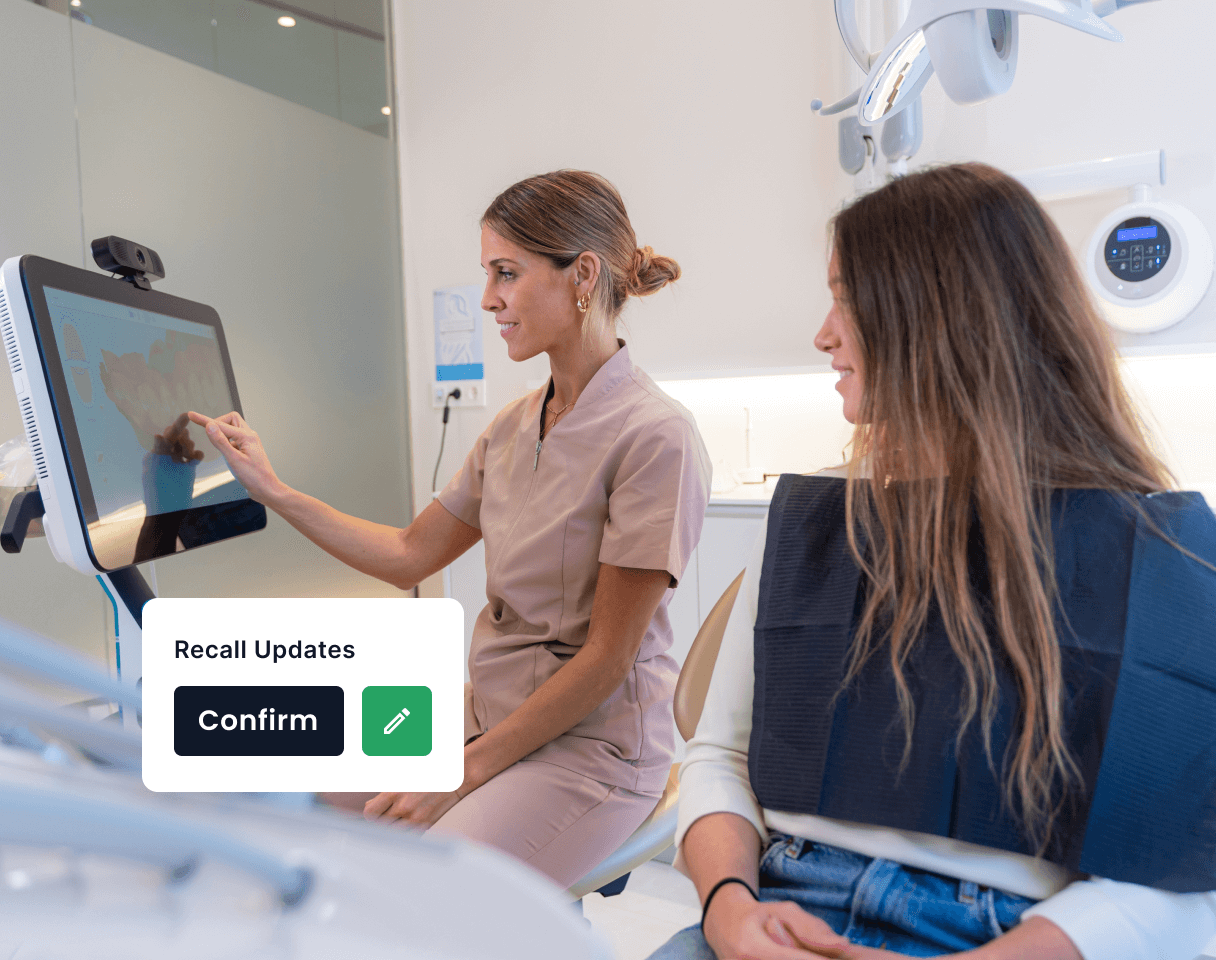
A dental clinic can remind a patient when they are due for their next cleaning.
A spa can check in a few weeks after a facial and suggest the right time for a refresh.
A cryotherapy studio can follow up after a first visit and help the customer build a consistent recovery routine.
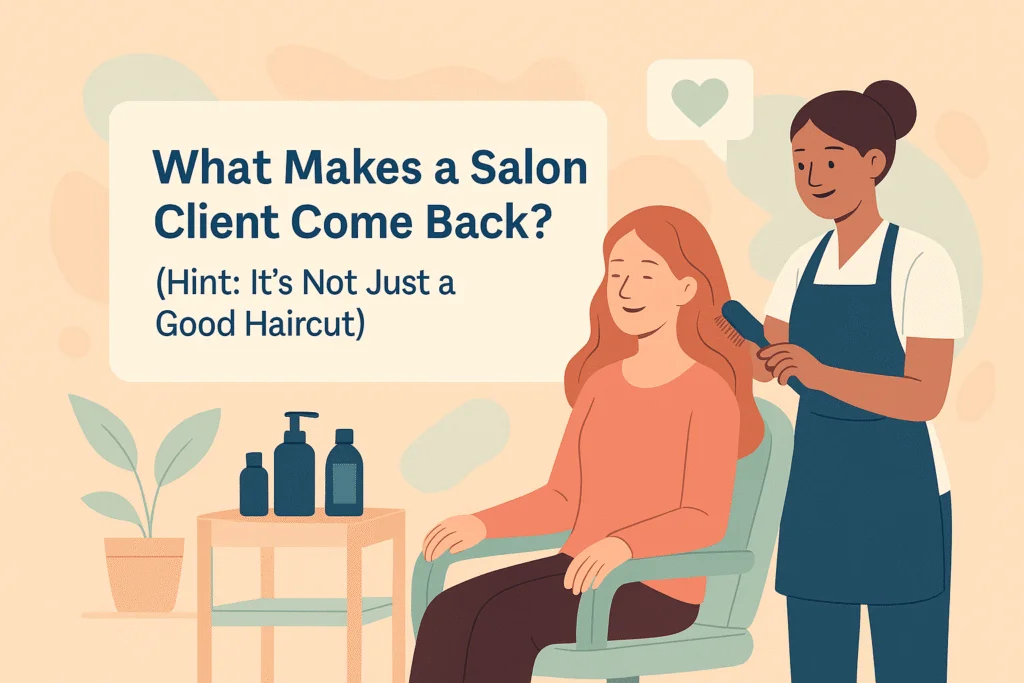
A salon can remind a client when it is time for a color touch-up.
A wellness clinic can check in after a consultation and help the customer take the next step.
That kind of follow-up does not feel random.
It feels helpful.
The goal is not to chase customers.
The goal is to make it easy for them to continue.
Every Customer Should Not Receive the Same Message
This is another place where many businesses lose the personal touch.
Not every customer is the same.
Some are loyal and visit often. Some came once and disappeared. Some asked about pricing but never booked. Some need education before they commit. Some only respond to text. Some prefer a call. Some are ready to book immediately. Some need a gentle reminder.
When every customer gets the same message, the follow-up starts to feel generic.
And generic follow-up is easy to ignore.
A better system remembers the customer.
What service did they book? When did they last visit? What did they ask about? Did they have a concern? Did they cancel before? Are they due for another appointment? Do they need a human to step in?
This is where Smileping’s values come in.
We believe customer communication should feel personal, even when the business is busy.
We believe follow-up should be consistent, not dependent on someone remembering it at the end of a long day.
We believe the customer should not have to repeat themselves every time they message.
And we believe automation should support the human team, not replace the care that makes a great service business special.
Smileping Is Built for the Gap After the Visit
Smileping was built around a simple problem:
Most businesses work hard to get customers in the door, but lose them after the appointment because the follow-up process is broken.
That is the gap we care about.
Smileping acts like customer retention automation for appointment-based service businesses.
It helps answer common questions. It helps follow up with customers. It helps bring back past clients. It helps manage rebooking conversations. It helps remember customer context. It helps flag situations where a real person needs to step in.
The idea is not to put the business on autopilot in a cold way.
The idea is to make sure important customer moments do not get missed.
Because a missed reply can become a missed booking.
A missed follow-up can become a lost customer.
A missed rebooking moment can become revenue that never comes back.
The Best Businesses Stay Close After the Appointment
The businesses that win long term are not always the ones with the loudest marketing.
They are the ones that stay close to their customers.
They answer quickly. They follow up thoughtfully. They remember details. They make rebooking easy. They do not let good customers disappear silently.
This matters even more now because customers have more options than ever.
If booking with you feels hard, they can try someone else.
If they feel forgotten, they can move on.
If another business follows up better, that business may win the next appointment.
That does not mean you need to message customers every day.
It means you need the right message at the right time.
That is the difference between annoying people and serving them well.
Retention Is Not Just a Marketing Strategy
Retention is not only about offers, discounts, or loyalty cards.
It is about the full relationship.
It is about how a customer feels after they leave.
Do they feel remembered?
Do they know when to come back?
Can they get answers easily?
Can they book without friction?
Does the business understand their history?
Do they feel like just another name in the system, or like someone the business actually knows?
For dental clinics, spas, salons, cryotherapy studios, wellness clinics, med spas, and other appointment-based businesses, these small details decide whether a customer returns.
And when more customers return, the business becomes healthier.
Revenue becomes more predictable. The team depends less on constantly finding new customers. Marketing spend goes further. Customer relationships become stronger.
That is the real power of closing the follow-up gap.
Final Thought
A happy customer is not always a returning customer.
That is why service businesses need more than a good first visit.
They need a way to continue the relationship after the appointment is over.
The follow-up gap is where many customers are lost quietly. No complaint. No bad review. No dramatic exit.
They just do not come back.
Smileping exists to help businesses stop losing customers in that silence.
Because when customers are remembered, followed up with, and guided back at the right time, they are far more likely to return.
And in a business built on appointments, the next visit is everything.
Related reading
Learn more about SmilePing's customer retention automation, retention campaigns, and revenue recovery for appointment-based service businesses.