Why Service-Based Businesses Miss Bookings Even When Customers Are Ready to Buy
A customer sends a message.
They ask about availability. They ask about pricing. They ask how long the appointment takes. They ask if they can come in this week.
That message is not just a question.
It is a buying signal.
For a dental clinic, spa, salon, cryotherapy studio, wellness clinic, med spa, or any appointment-based service business, that moment matters. The customer is interested right now. They are comparing options right now. They are willing to take the next step right now.
But too often, the reply comes too late.
By the time someone responds, the customer has already booked somewhere else, lost interest, or forgotten why they reached out in the first place.
And the business never really knows what happened.
There is no complaint. No bad review. No dramatic goodbye.
Just a booking that quietly disappeared.
The Problem Is Not Always Demand
When bookings slow down, most businesses think they need more leads.
More ads. More posts. More promotions. More discounts. More traffic.
Sometimes that is true.
But often, the business already has interested customers coming in. The problem is that those customers are not being captured properly.
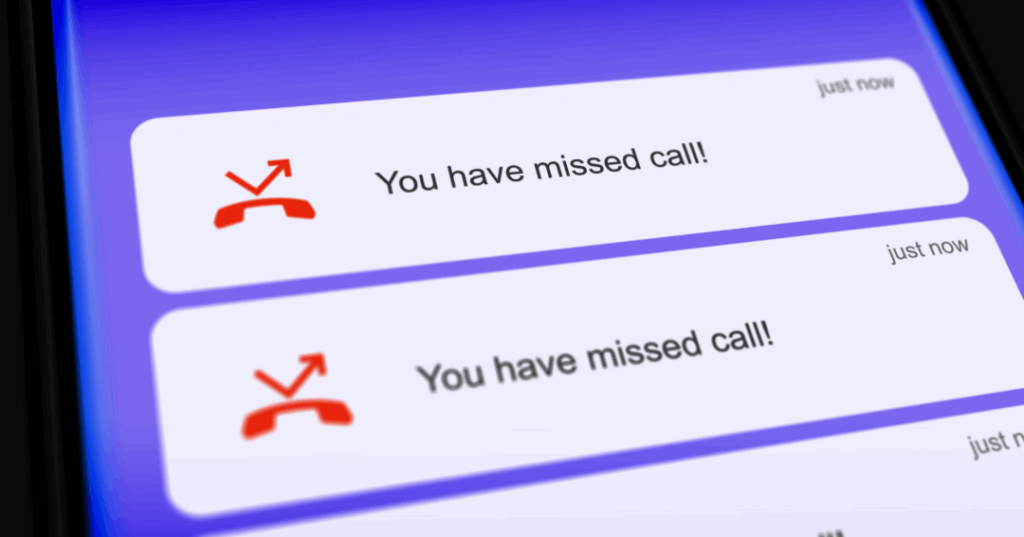
A missed call can be a missed appointment.
A slow reply can be a lost customer.
An unanswered Instagram DM can be a booking that never happened.
A confusing back-and-forth can make someone choose the business that made things easier.
Service businesses do not always lose customers because the service is weak.
They lose customers because the path to booking is not simple enough.
Customers Move Fast When They Are Ready
When someone is ready to book, they usually do not want to wait.
They want a clear answer.
“Do you have availability today?” “How much is it?” “Can I come after work?” “How long does the treatment take?” “Is this service right for me?” “Can I book for Saturday?”
These are not casual questions.
They are decision moments.
If the answer is fast and helpful, the customer moves forward.
If the answer is delayed, vague, or missed, the customer keeps searching.
That is the reality now.
People have options. They can message three clinics, two salons, and a spa within minutes. The business that responds clearly and quickly often wins the booking before the others even reply.
Not because it is the best business.
Because it was available when the customer needed help.
The Front Desk Cannot Be Everywhere
This is where things get difficult for real businesses.
Most front desk teams are already stretched.
They are answering phones, greeting customers, managing the schedule, handling payments, helping staff, responding to messages, dealing with cancellations, and trying to keep the day moving.
So when a message comes in during a busy hour, it is easy to miss.
When a call comes in during a treatment rush, it can go to voicemail.
When an Instagram DM comes in after closing, it waits until tomorrow.
When a customer asks a question that needs a little explanation, it gets pushed aside.
None of this happens because the team does not care.
It happens because the business has more communication than one person can realistically manage.
And the cost of that gap is real.
Every missed reply is not just an admin issue.
It can be revenue walking away.
Booking Should Not Feel Like Work
A customer should not have to fight to book an appointment.
They should not have to call three times.
They should not have to wait hours for a basic answer.
They should not have to repeat their question across email, text, and Instagram.
They should not have to ask, “Hello, is anyone there?”
When booking feels difficult, customers start to doubt the experience before they even visit.
That is the part many businesses miss.
The customer experience does not begin when someone walks through the door.
It begins the moment they reach out.
If the first interaction feels slow or messy, it affects trust.
A customer may think:
“If it is this hard to book, what will the appointment be like?”
That may not be fair, but it is how people judge businesses.
Communication is part of the service.
Slow Replies Kill Momentum
There is a small window where the customer is most interested.
That window usually happens right after they search, click, call, or message.
They have a need. They are paying attention. They are open to booking.
But interest fades quickly.
A customer who was ready at 11:00 AM may not care by 4:00 PM.
A customer who asked about a treatment tonight may have already booked a competitor by tomorrow morning.
A customer who wanted a dental cleaning this week may move on if nobody confirms availability.
This is why response time matters so much.
The faster a business can respond, answer the question, and guide the customer toward a booking, the better chance it has of converting that interest into revenue.
Not with pressure.
With clarity.
Too Much Back-and-Forth Loses Customers
Sometimes the business does reply, but the conversation still falls apart.
The customer asks for availability.
The business replies, “What day works for you?”
The customer says, “Friday.”
The business says, “Morning or afternoon?”
The customer says, “Afternoon.”
The business says, “We have 2:30 or 4:00.”
The customer does not reply.
And the booking disappears.
This kind of back-and-forth feels normal to businesses, but it can feel tiring for customers.
People are busy. They want the next step to be easy.
A better reply would move the customer closer to action:
“We have Friday at 2:30 PM or 4:00 PM available. The appointment takes around 45 minutes. Would you like me to hold one of those for you?”
That is simple.
It answers the question. It gives options. It makes the next step clear.
Small improvements in communication can change the outcome.
Unanswered Questions Become Lost Revenue
Many customers do not book because they still have one small concern.
They want to know if the service is right for them.
They want to understand the price.
They want to ask about pain, timing, results, parking, cancellation policy, insurance, aftercare, or availability.
If they cannot get that answer quickly, they may not book.
This is especially true for higher-trust services.
Dental care. Skin treatments. Wellness services. Cryotherapy. Med spa treatments. Massage therapy. Laser services.
Customers want reassurance before they commit.
A fast, helpful answer can remove the blocker.
No answer keeps the blocker in place.
And when the blocker stays, the booking does not happen.
More Marketing Will Not Fix a Broken Booking Flow
A business can spend money bringing people to its website, Instagram, Google listing, or booking page.
But if those people are not answered properly, the money leaks out.
More traffic does not help if messages are missed.
More leads do not help if nobody follows up.
More promotions do not help if the customer cannot get a clear answer.
This is why service businesses need to look beyond marketing.
The question is not only:
“How do we get more people interested?”
The better question is:
“What happens when someone is already interested?”
That is where many bookings are won or lost.
Smileping Is Built Around This Moment
Smileping exists for this exact gap.
The moment when a customer is interested, but the team is busy.
The moment when a question comes in after hours.
The moment when someone wants to book but needs one more answer.
The moment when a past customer could return, but nobody follows up.
Smileping helps service-based businesses stay responsive without putting more pressure on the front desk.
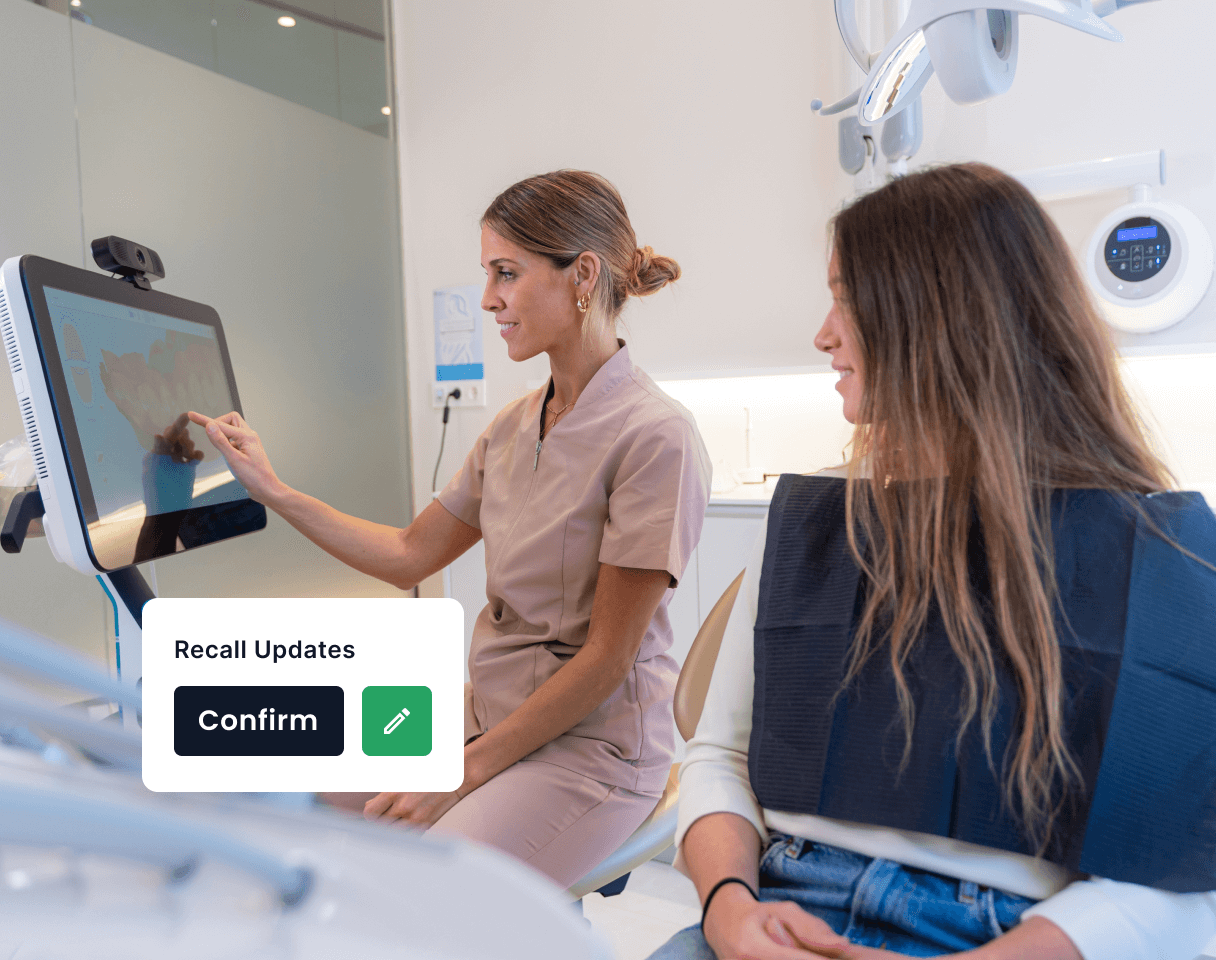
It can answer common questions. It can help guide customers toward booking. It can follow up with people who showed interest. It can remember customer details and past conversations. It can help bring back clients who have not visited in a while. It can flag situations where a real person needs to step in.
The goal is not to remove the human touch.
The goal is to protect it.
Because when routine questions, reminders, and follow-ups are handled consistently, the team has more time for the customers in front of them.
Our Values Are Simple
At Smileping, we believe good businesses should not lose customers because of missed messages.
We believe customers should feel heard, even when the business is busy.
We believe follow-up should feel helpful, not pushy.
We believe booking should be simple.
We believe automation should support real service, not make communication cold.
And we believe the best customer experience happens when technology takes care of the small gaps that humans are too busy to catch.
That is what Smileping is being built for.
Not to replace the front desk.
To give the front desk a stronger system behind it.
The Businesses That Win Make Booking Easy
A customer who is ready to buy should not be left waiting.
They should be answered quickly.
They should understand the next step.
They should feel like the business is organized.
They should be able to move from question to booking without friction.
This matters for every service-based business.
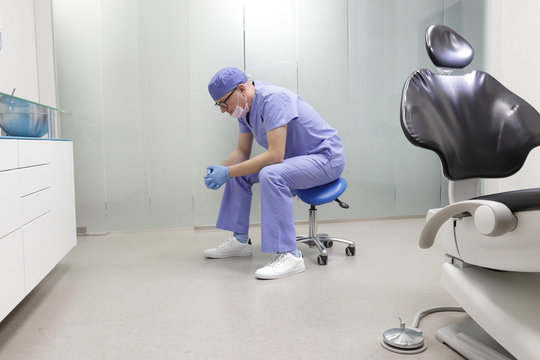
A dental clinic can lose a patient because nobody answered the phone.
A spa can lose a client because the reply came the next day.
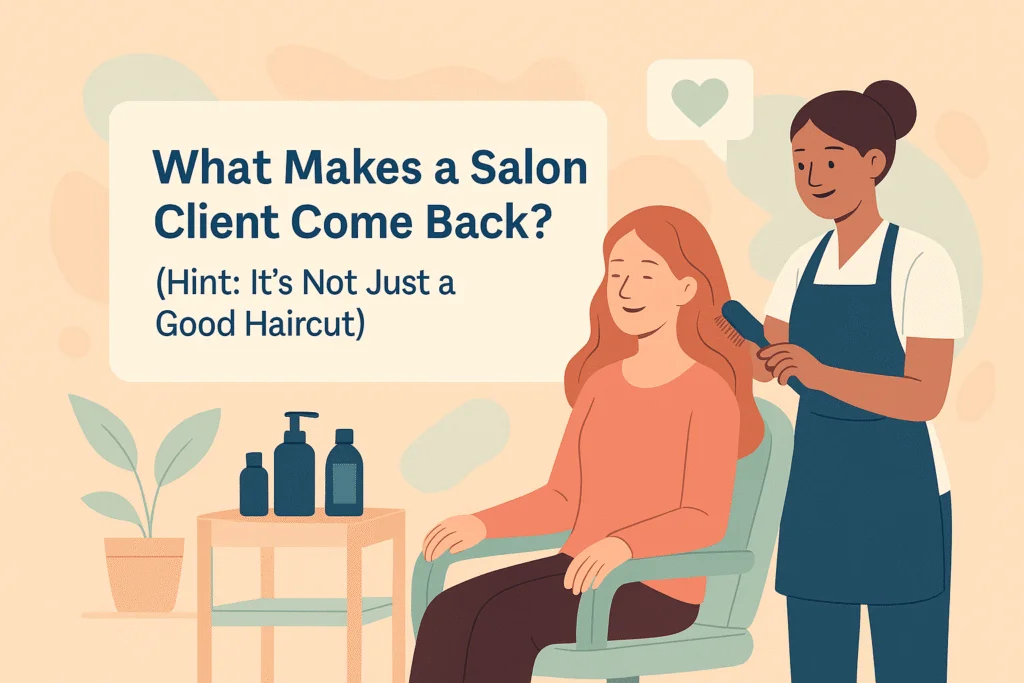
A salon can lose a color appointment because the customer had to ask too many follow-up questions.
A cryotherapy studio can lose a first-time visitor because nobody explained how the session works.
A wellness clinic can lose a consultation because the customer did not know what to do next.
These are not small details.
They are the moments that decide whether interest becomes revenue.
Final Thought
Most missed bookings do not look like missed bookings.
They look like unanswered calls. Delayed replies. Forgotten follow-ups. Confusing messages. Customers who asked once and never asked again.
That is why service-based businesses need a better way to manage communication.
Not just to look professional.
But to capture the demand they already have.
When someone reaches out, they are giving the business a chance.
The businesses that respond quickly, clearly, and helpfully are the ones that turn that chance into an appointment.
And in a service business, every appointment matters.
Related reading
See how SmilePing supports revenue recovery, appointment rebooking, and automated client follow-up for service businesses that miss bookings from slow replies and unanswered messages.